Should You Upgrade from Iphone Air to Apple Iphone Air?
The decision to upgrade a phone often sits somewhere between practical necessity and lifestyle preference. For users who already own an Iphone Air, the prospect of moving to the latest Apple Iphone Air model raises familiar questions: Will the new device noticeably improve daily life? Is the cost justified? What trade-offs exist? This article walks through the considerations that matter in real-world use—performance, battery life, camera, display, software longevity, accessories, and value—so readers can make a clear, practical choice.
Introduction: Who this upgrade is for
This comparison is aimed at a broad set of buyers: long-time iPhone owners who are satisfied with the size and feel of the Air line, shoppers deciding whether to keep an older Air or move to the newest Air, and those who value a balanced phone that blends portability with capabilities. It is not a spec-first breakdown. Instead, it focuses on how differences translate into everyday experiences—photography on vacation, battery during a long workday, gaming or productivity, and longevity of software updates.
Detailed product analysis
Design and build
Both devices in the Air family typically emphasize a thin profile and light weight. The newer Apple Iphone Air often refines materials and tolerances—smoother edges, slightly different weight distribution, or improved finishes—but major ergonomic differences tend to be subtle for owners of recent models. For someone who prioritizes pocketability or one-handed use, even small changes in thickness or grip can affect comfort. Real-world testing—holding both phones for 10–15 minutes, trying to reach corners with one hand, or fitting them with the cases the user prefers—gives the best sense of whether the redesign matters.
Display and media experience
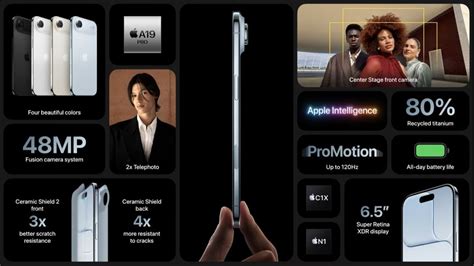
Display upgrades are some of the most tangible changes between model years. Newer models frequently improve brightness, color calibration, and energy efficiency. For media consumers, that can mean better outdoor visibility, more accurate colors for photos and videos, and fewer reflections. For readers and productivity users, improvements to adaptive refresh rates (if present) can make scrolling feel smoother and reduce eye strain. However, unless the new Air introduces a major change—such as moving from LCD to higher-end OLED or adding a significantly larger or higher-resolution panel—the experience will be incremental rather than revolutionary.
Performance and daily speed
Chipset improvements translate to faster app launches, smoother multitasking, and longer support for future iOS versions. In practical terms, this means the Apple Iphone Air will feel quicker when switching between large apps, editing photos or video, and running more demanding mobile games. For typical social, communication, and productivity tasks, even an older Air model often remains perfectly serviceable. Buyers who keep phones for many years or who rely on heavy processing workloads—video editing, AR apps, prolonged gaming—will notice and benefit from the upgraded processor more quickly than casual users.

Battery life and charging
Battery capacity and efficiency are always high on buyer checklists. Newer models commonly make modest battery-life gains through more efficient chips and software. Real-world scenarios—commuting with navigation, streaming podcasts or music, or attending long meetings—are good stress tests. If a user regularly finds their current Air running below 20% by evening, the battery improvements in a new Apple Iphone Air could be a compelling reason to upgrade. Charging speeds and features (magnetic charging alignment, reverse wireless, or faster wired charging) also influence convenience, especially for users who rely on quick top-ups throughout the day.
Camera system and imaging
Camera upgrades are often a major selling point. New iterations typically bring improvements to low-light performance, computational photography, and video stabilization. For everyday photographers—parents capturing fast-moving toddlers, travelers wanting reliable night shots, or small-business users taking product images—better cameras have an obvious value. If the upgrade includes additional focal lengths, better optical stabilization, or meaningful software features (improved portrait processing or cinematic modes), the difference will be evident in a variety of shooting situations. However, if the current Iphone Air already produces images that meet the user’s needs, the marginal gains may not justify the cost.
Software, updates, and ecosystem
One of the strongest long-term benefits of upgrading is extended software support. A newer Apple Iphone Air will receive iOS updates for more years than an older model, which affects security, app compatibility, and access to new features. For users who keep devices for many years, this impacts the phone’s usable lifespan and resale value. Additionally, integration with the broader Apple ecosystem (continuity, handoff, HomeKit, and accessory compatibility) often remains consistent across models, but new features that take advantage of fresh hardware may be exclusive to the latest device.
Find top-rated Mobile Phones products at great prices.
Browse Now →Storage, connectivity, and extras
Storage options and connectivity features—faster LTE/5G bands, improved Wi‑Fi, and newer Bluetooth versions—matter more as cloud services and high-quality media become standards. For users who keep large media libraries or who depend on fast, stable mobile data for remote work, updated modem hardware is an important consideration. Extras like larger base storage tiers, improved speakers, or changes in port technology can be deciding factors depending on the buyer’s priorities.
Durability and repairability
Water and dust resistance ratings, the resilience of screen glass, and how easy the device is to repair can influence long-term ownership costs. Newer models may offer small gains in dust sealing or glass toughness, but repairability varies and often depends more on the repair ecosystem and parts pricing than on model year. Users who prioritize long-term value should consider warranty options and third-party repair policies in their region.
Pros & Cons
- Pros of upgrading to Apple Iphone Air
- Improved performance and future-proofing for iOS updates
- Better camera capabilities in a variety of lighting conditions
- Potential gains in battery efficiency and charging convenience
- Refinements to display quality and touch responsiveness
- Higher resale value window due to newer model status
- Cons of upgrading to Apple Iphone Air
- Upgrade cost may be high relative to perceived benefit for casual users
- Design differences may be minimal compared with previous generation
- Accessories like cases and chargers may require replacement
- Repairs and insurance premiums may increase with newer components
- Marginal gains for users who primarily use phone for calls, messaging, and light apps
Comparison table
| Category | Existing Iphone Air | Apple Iphone Air (Latest) | Upgrade Impact |
|---|---|---|---|
| Design & Ergonomics | Lightweight, familiar feel | Refined finish and minor ergonomic tweaks | Low to medium; noticeable if user prefers updated finish or thinner bezel |
| Display | High-quality display for media and text | Improved brightness, color, or refresh behavior | Medium for media-heavy users; low for casual browsing |
| Performance | Solid for daily tasks | Faster chipset and better multitasking | High for power users; low for basic users |
| Battery & Charging | Adequate for a full day in most cases | Improved efficiency and charging options | Medium; important for heavy all-day users |
| Camera | Good for everyday photography | Better low-light, stabilization, and processing | High for photography-focused buyers |
| Software Support | Fewer remaining major updates | Longer forward compatibility | High; affects longevity and security |
| Price & Value | Lower ongoing cost if retained | Higher purchase price; trade-in can offset | Depends on trade-in value and budget |
| Accessories & Compatibility | Existing accessories likely fit | Some accessories may require upgrade | Low to medium; check case and charger compatibility |
Buying guide: How to decide whether to upgrade
1. Evaluate real-world pain points
Start with a clear list of what is frustrating about the current phone. Is it battery life, sluggish app behavior, poor low-light photos, or an aging battery that no longer holds charge? Upgrading makes most sense when the new model addresses those specific pain points. If the current device still handles daily tasks well and battery life is acceptable, delaying the upgrade can maximize value.
2. Test the new features that matter
Visit a store or compare side-by-side demos. Try camera modes that are important—portrait, night, or video stabili…3. Consider software longevity
One practical advantage of a newer Apple Iphone Air is extended iOS support. If the user keeps phones for four to six years, buying a model with the newest chipset can add years of secure, feature-rich use. Factor this into total cost of ownership—sometimes paying more up front saves money by postponing a future replacement.
4. Factor in trade-in and resale value
Trade-in programs and second-hand markets can significantly reduce the net cost of upgrading. Research typical resale values for the current Iphone Air model—conditions and included accessories matter. Selling privately often returns more than trade-in, but trade-in is faster and less hassle. Compare both paths and include factory reset, cleaning, and any small repairs needed to maximize resale value.
5. Set a realistic budget and timing
Decide whether to buy outright, use financing, or rely on a carrier plan. If the upgrade is not urgent, watch for seasonal price drops, carrier promos, and certified-refurbished options that offer savings without major compromises. Timing the purchase around a software cycle or the release of a next-generation model can also affect perceived value; consider whether waiting yields a substantially better device.
Find top-rated Mobile Phones products at great prices.
Browse Now →6. Choose storage and accessories wisely
Storage selection is one of the few non-upgradeable choices after purchase. Match storage to use: large photo/video libraries, local media, and offline work require more space. Consider iCloud or other cloud backups as part of the storage strategy. Also budget for a protective case and screen protection to preserve resale value, and verify accessory compatibility for headphones or chargers if connectors or wireless standards change.
7. Protect the investment
Decide on warranty and insurance options. Purchasing AppleCare or equivalent coverage reduces repair costs and can be worth it for those who expect heavy daily use or travel frequently. For buyers who handle devices carefully and who have a good local repair ecosystem, the value proposition of extended warranties may differ.
8. Plan the transition
Before upgrading, back up data, update apps, and disable activation locks. Apple’s migration tools make transferring data straightforward, but it’s wise to confirm important messages, two-factor authentication, and cloud sync before wiping the old phone. Decide whether to keep the old device as a backup, trade it in, or sell it.
Real-world use cases to consider
Different buyers have different priorities. Here are some scenarios that clarify when upgrading is likely to be worthwhile:
- Travel photographers: A newer model with better low-light performance and stabilization will produce noticeably better photos and videos without adding bulky gear.
- Remote workers: Faster performance and better battery life make it easier to run video calls, use VPNs, and handle productivity apps on the go.
- Parents and families: Improved cameras and more storage help capture milestones and store media without constant cleanup.
- Students and commuters: If the phone struggles to last a day of classes or commute, an upgrade can remove the daily stress of charging or managing power-saving modes.
- Casual users: Those who primarily use messaging, light browsing, and occasional media playback may find no compelling reason to upgrade immediately.
Cost vs. benefit: a balanced perspective
The upgrade calculus depends on how much value a user places on incremental improvements. Some buyers value the intangible benefits—smoother animation, marginally better photos, or the reassurance of longer software support—while others focus on strict cost-effectiveness. The best decisions are grounded in usage patterns and a realistic estimate of how long the new phone will be kept.
Conclusion
Upgrading from an existing Iphone Air to the latest Apple Iphone Air is often justified for users who need improved photography, longer software support, better performance for demanding apps, or meaningful battery life increases. For casual users whose current device meets day-to-day needs and who prefer to minimize expenses, waiting another upgrade cycle can be a prudent choice. The smartest approach is practical: list current pain points, test the new model under real conditions, calculate net cost after trade-in, and factor in how many years the buyer plans to keep the phone. With those elements in hand, the decision becomes less about marketing and more about which device best supports everyday life.