Difference Between Asus Zenbook A14 A16 2026 and Asus Zenbook A16 Explained
The Asus Zenbook family has long balanced portability and capability, and the 2026 refresh continues that tradition. For buyers deciding between the smaller Zenbook A14/A16 2026 lineup and the more established Asus Zenbook A16, the choice often comes down to a handful of trade-offs: screen real estate versus portability, sustained performance versus thermals, battery life, and the specific feature set tailored to creators, students, or mobile professionals. This article compares the two offerings in practical, real-world terms to help readers choose the model that best fits their needs.
What this comparison covers
This article focuses on the practical differences between the Asus Zenbook A14/A16 2026 family (presented as the refreshed A14 and A16 models for 2026) and the Asus Zenbook A16 (the non‑2026 baseline or previous generation A16). It evaluates design and build, displays, performance and thermals, battery life, ports and connectivity, input devices, real-world use cases, and the buyer considerations most people care about. The analysis is structured around what buyers typically prioritize: portability, screen size, power, and value.
Design and portability
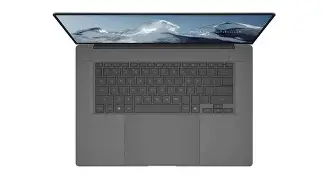
Zenbook A14/A16 2026: The A14 focuses on ultra-portability while the A16 2026 model aims to strike a middle ground—larger than the 14-inch but engineered to stay relatively slim and light. Both 2026 models emphasize refined chassis materials (brushed aluminum finishes and subtle machining), narrow bezels, and a compact footprint for their screen sizes. The A14 is naturally the easiest to carry day‑to‑day for commuting and frequent travel, while the A16 2026 is slightly heavier but still portable compared with bulkier 16‑inch workstations.
Zenbook A16 (previous generation): The earlier A16 typically has a more traditional 16‑inch laptop profile. It often favors a steadier cooling solution and may include thicker chassis sections to accommodate more powerful components or larger batteries. That extra size translates into marginally less convenience for pocketed bags and tighter commuting conditions.
Practical takeaway
Choose the A14/A16 2026 family if mobility and modern styling are priorities—the A14 for the lightest carry and the A16 2026 if a larger screen is desired without sacrificing too much portability. Choose the previous‑generation A16 when durability, a slightly more substantial thermal design, or a potentially larger battery capacity are more important than shaving grams.
Display and multimedia
Display capability is one of the most tangible differences between models in this comparison.
Zenbook A14/A16 2026: The 2026 refresh typically brings improved panel choices: higher resolution options, better color calibration from the factory, and brighter panels for use in mixed indoor/outdoor lighting. The A14's 14‑inch display suits productivity and portability, while the A16 2026’s 16‑inch panel benefits photographers, video editors, and anyone who prefers side‑by‑side windows. Expect narrow bezels and at least one higher‑refresh or factory‑calibrated option in the 2026 lineup.
Zenbook A16 (previous generation): The earlier A16 often focuses on delivering a stable 16‑inch experience with good overall color coverage, but depending on the specific configuration it may not match the newest 2026 panels in peak brightness or factory calibration. It remains attractive for long sessions of multimedia work due to its larger screen area.

Real‑world use cases
- Content creators: The A16 2026 offers the best balance if color accuracy and workspace matter, especially on higher‑end panel options.
- Students and office workers: The A14 is ideal for taking notes and working in cafes; its smaller display is acceptable for document workflows.
- Casual multimedia: Any of the models will be fine, but the larger 16‑inch panels give a more immersive viewing experience.
Performance, thermals, and real‑world sustained workloads
Performance is not just peak benchmark numbers—buyers care about sustained performance in long editing sessions, compilation tasks, or multitasking.
Zenbook A14/A16 2026: The 2026 models generally offer modern processors and options for integrated or discrete graphics, but their thinner profiles prioritize efficiency. This means while single‑task performance (web browsing, office apps, light photo editing) is excellent, sustained heavy loads will be limited by the smaller thermal envelope—especially on the A14. The A16 2026, with a slightly larger chassis, usually manages heat better and can hold higher boost clocks for longer.
Zenbook A16 (previous generation): The original A16 often benefits from a more mature thermal design and potentially larger vents and fans. For long video renders or extended benchmarks, the older A16 can sometimes sustain higher performance without thermal throttling, making it a sensible choice when sustained workloads are frequent.
Find top-rated Laptops & Computers products at great prices.
See Deals →What buyers should expect
- Light to moderate daily tasks: all models provide fast, responsive performance.
- Creative work and batch processing: prefer the model with better cooling and discrete GPU options—the A16 variants generally fit this need better than the A14.
- Gaming: these Zenbooks are not designed as gaming rigs. Light or esports titles may run well on higher configurations, but heavy modern titles will be thermal‑limited.
Battery life and charging
Battery life often depends as much on display type and brightness as it does on battery capacity.
Zenbook A14/A16 2026: Efficiency‑focused components and modern power management usually yield excellent battery life for mixed productivity tasks—particularly on the A14, where lower‑power displays improve endurance. Fast charging capabilities are common across recent Zenbooks, enabling quick top‑ups between meetings.
Zenbook A16 (previous generation): The previous A16 may house a slightly larger battery in some configurations, which can extend life under similar usage. However, brighter or higher‑resolution panels can negate that advantage. The older model tends to be reliable for a full workday under conservative use, but less efficient than some 2026 parts during light workloads.
Ports, expandability, and connectivity
Ports are a frequent real‑world concern: external monitors, fast storage, and dongle avoidance matter to many buyers.
Zenbook A14/A16 2026: Asus typically includes a healthy selection of ports on Zenbooks: USB‑C with DisplayPort/charging support, USB‑A, HDMI (o…
Zenbook A16 (previous generation): The older A16 also generally offers a good port selection, sometimes sacrificing one or two modern conveniences for legacy ports depending on region and build. Upgradeability is limited across the Zenbook range—RAM is often soldered, so choose configurations carefully at purchase.
Keyboard, trackpad, webcam, and speakers
Input quality and webcam performance matter for remote work and video calls.
Zenbook A14/A16 2026: Both 2026 models emphasize comfortable keyboards with decent key travel for their thin designs, responsive trackpads, and well‑tuned speakers for a laptop class. Webcam improvements in the 2026 cycle often include better low‑light performance and privacy shutters. Backlit keyboards are standard for productivity variants.
Zenbook A16 (previous generation): The previous A16 delivers familiar Zenbook input quality—comfortable typing for long sessions and a large trackpad. Webcam and mic arrays are serviceable for meetings, though they may not match recent improvements in low‑light imaging found on refreshed models.
Pros & Cons
Asus Zenbook A14/A16 2026
- Pros: Lightweight and refined design, modern display options and narrow bezels, efficient performance for everyday tasks, improved battery management, contemporary port selection on the 16‑inch variant, usually better factory color calibration on select panels.
- Cons: Thinner thermal envelope may limit sustained heavy workloads (especially on the A14), limited or soldered RAM in many configurations, fewer discrete GPU options compared with full‑size workstations, potentially higher premium for refreshed components.
Asus Zenbook A16 (previous generation)
- Pros: Solid 16‑inch workspace, potentially better sustained performance due to conservative cooling design, likely slightly larger battery variants available, proven chassis and accessory compatibility.
- Cons: Heavier and less pocketable, displays and brightness may lag behind newest panels in some SKUs, design is less optimized for the thinnest carry scenarios.
Side‑by‑side comparison
| Category | Zenbook A14 (2026) | Zenbook A16 (2026) | Zenbook A16 (previous gen) |
|---|---|---|---|
| Primary use | Mobile productivity, students, commuters | Balanced portability and screen size for creators | Desktop replacement for creatives and heavy multitaskers |
| Screen | 14" — high efficiency, narrow bezels | 16" — modern panels, higher brightness / calibration options | 16" — large workspace, reliable performance |
| Portability | Best — lightest | Good — still thin but larger | Moderate — heavier chassis |
| Performance (sustained) | Good for light/medium tasks | Better sustained performance than 14" | Strong sustained performance for longer jobs |
| Thermals | Constrained | Improved vs. 14" but limited vs. workstations | Most conservative and robust |
| Battery life | Excellent for mixed use | Very good; depends on panel choice | Good; may have larger battery SKUs |
| Ports | Moderate (USB‑C, USB‑A, optional card reader) | Comprehensive (incl. HDMI on many SKUs) | Comprehensive; similar to 16" 2026 but fewer modern panel options |
| Best for | Frequent travelers and students | Content creators who travel occasionally | Creators who prioritize sustained throughput at home/office |
Buying guide — how to choose between them
Buyers should approach the decision by matching the laptop to their most common daily scenarios. Below are practical checkpoints and questions that help narrow the choice.
Looking for the best Laptops & Computers deals on Amazon?
Browse Now →1. How often is the laptop carried?
If it spends most of the day in a backpack and mobility is critical, the Zenbook A14 (2026) is the most compelling. For a balance of screen space and portability, the A16 2026 is sensible. If mobility is modest and the device mostly stays on a desk, the previous‑generation A16 can be more comfortable for long sessions.
2. What kind of work is typical?
For light productivity, web conferencing, and document work, any of the models will suffice. For photo editing, video timelines, and multitasking, prioritize a model with a higher‑quality 16‑inch panel and better cooling—look to the A16 options. For heavy batch rendering or large code builds, the previous A16 with a more robust thermal design may deliver better sustained speeds.
3. Do color accuracy and display brightness matter?
Yes: prioritize the 2026 A16 if chosen models list factory calibration, higher color gamut coverage, and higher peak brightness. These make a real difference in editing and content review.
4. Do you need ports without dongles?
If external monitors or HDMI connections are frequent, favor the 16‑inch models that commonly include full‑size HDMI and more USB ports. The A14 is more likely to rely on USB‑C adapters for some use cases.
5. Is upgradeability a priority?
Most Zenbooks solder RAM and limit upgradeability. If long‑term serviceability or upgrade options are essential, check the specific SKU before purchase or consider business‑oriented laptops that allow RAM and storage upgrades.
6. Budget considerations
Newer 2026 refreshes may carry a price premium for the latest panels and components. If cost is a major factor, previous‑generation A16 models can represent good value, especially when retailers discount older stock. Balance the savings against the better battery life or display improvements of the 2026 options.
Final verdict and conclusion
Both the Asus Zenbook A14/A16 2026 family and the Asus Zenbook A16 have distinct strengths. The 2026 A14 is the pick for the most mobile users who value lightness and all‑day battery life. The 2026 A16 is the best compromise for users who want a modern, color‑accurate 16‑inch canvas without sacrificing too much portability. The prior‑generation Zenbook A16 remains a strong candidate for those who prioritize sustained performance and a slightly more substantial chassis, often at a better price point.
Ultimately, buyers should prioritize the aspects they use daily: if display quality and workspace matter, opt for a 16‑inch variant with a calibrated panel; if commuting and minimal weight are the norm, the A14 (2026) offers clear advantages. Evaluating specific SKUs for RAM, storage, panel type, and cooling design is essential because these determine real‑world performance more than model name alone.
Choosing between these Zenbooks comes down to the classic trade‑off: screen and sustained capability versus portability and efficiency. By mapping those priorities to the differences outlined here, buyers can pick the machine that best supports their everyday workflows.